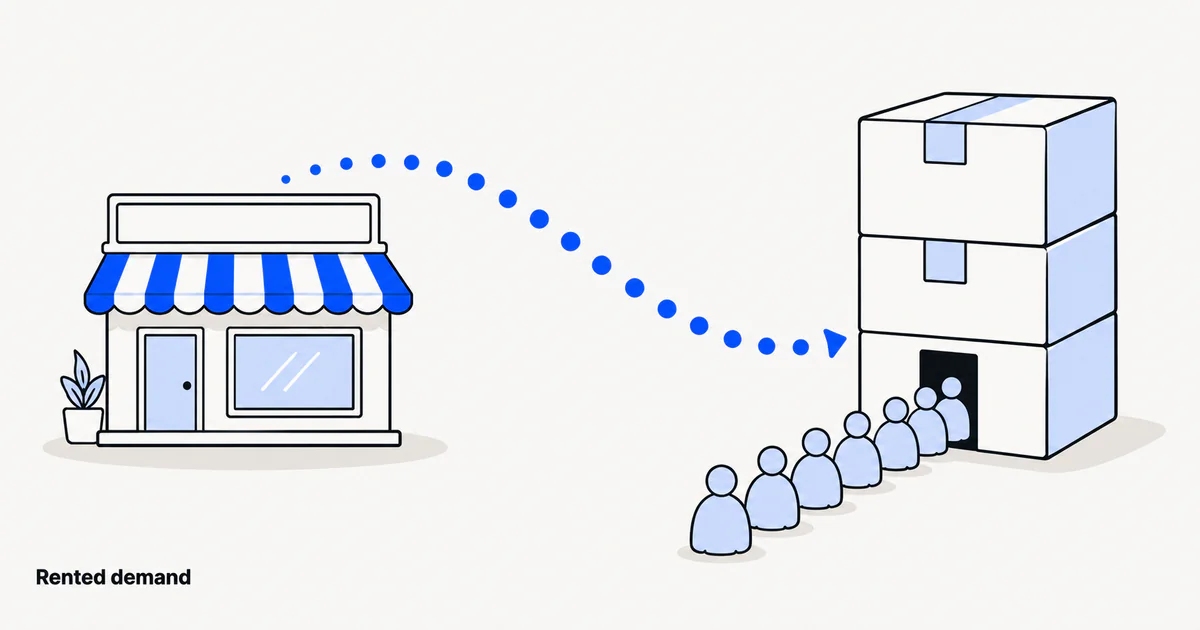
A seller we spoke to last year was moving decent monthly volume across two marketplaces and a stream of Instagram DMs, and had almost nothing you could call a business. No customer list. No idea which products repeat. No way to tell a returning buyer from a new one. Every rupee of demand belonged to someone else and was rented by the month.
That is the trade, and it isn't automatically a bad one. It just has to be a decision somebody made on purpose.
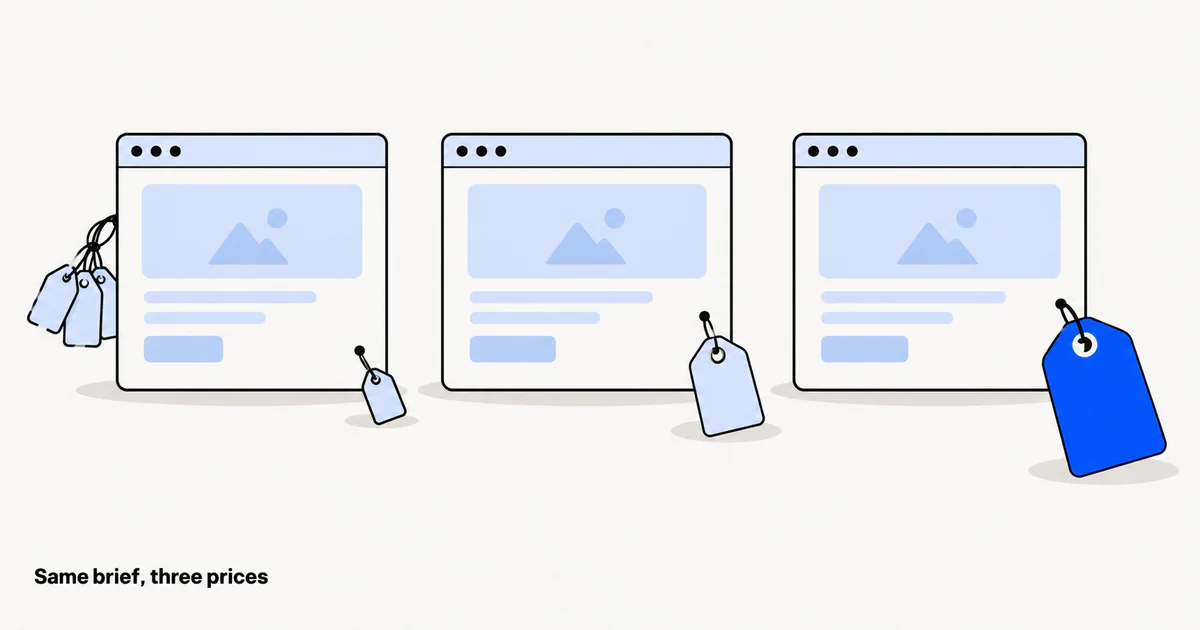
What a marketplace really charges
Commission is the number everyone quotes and the smallest part of the answer. Rates vary by category and change often enough that you should pull the current rate card rather than trust an article, this one included. Budget for the rest of it:
- Referral commission, which differs sharply between categories
- Shipping and weight handling, where the slab you land in matters more than the rate
- Returns, which in fashion can run high enough to decide whether a product is viable at all
- Advertising, because the first screen is bought, and your position decays the moment you stop paying
- Price pressure from the sellers listing something nearly identical beside you
What you get for that is real and hard to replicate: buyers who are already there, already logged in, already trusting the checkout and the returns policy. For a new product with no audience, that is worth paying for and there is no shame in it.
What you don't get is the customer. No number, no permission to contact them, no relationship that survives a policy change. When the platform adjusts its fees or its ranking, your month changes with it and you find out afterwards.
Instagram is a shop window, not a shop
Instagram genuinely sells in India, particularly for anything visual, and for a lot of small brands it is the whole top of the funnel. It is also where the work gets stuck.
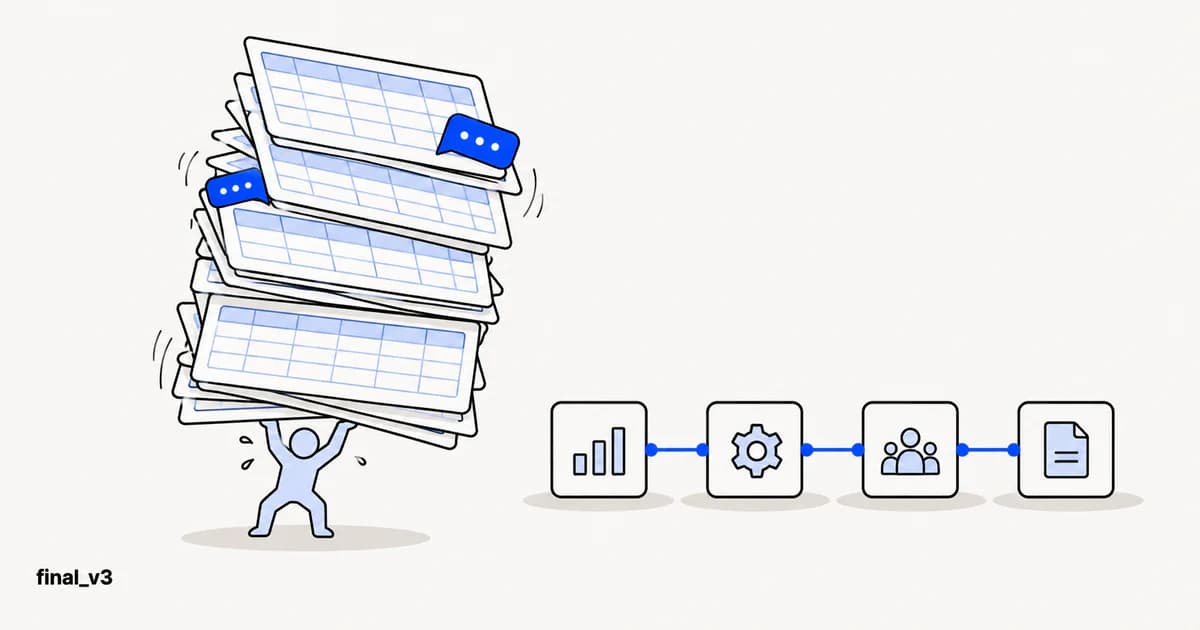
Every order arrives as a conversation. Someone screenshots the product, asks the price, asks about delivery to their pincode, negotiates a little, asks for the UPI ID, sends a payment screenshot. A person has to sit inside that thread, and it does not scale past one person's working day.
It is invisible to search as well. Nobody finds your Instagram by typing what they need into Google, the catalogue can't be sorted or filtered, and there is no record of what sold to whom. Three years of it can leave you with followers and no data.
What owning the storefront gets you
A site of your own is the only option here where the asset is yours.
- The customer's details, with permission to contact them again, which is where repeat revenue comes from
- Your full margin, less payment gateway charges
- Search traffic that compounds instead of resetting: a product page can rank for years
- Control over how the product is presented, priced and bundled
- Numbers you can act on — what people looked at, what they abandoned, where they left
The catch is worth saying plainly. Nobody comes. A marketplace hands you demand; your own store hands you a URL, and filling it is now your job. It is a slower job than most people expect, and it is the reason so many beautiful D2C sites sit at four orders a month.
When your own store is the wrong call
Skip it if nobody has ever bought from you twice and probably never will, if your margin after ads can't fund traffic, or if you sell a commodity that people search for by name and buy purely on price. In those cases the marketplace is doing something you cannot do more cheaply, and a store of your own is a vanity expense with a monthly bill.
Build it when people ask for you by name, when the same customers come back, when the range is wide enough to be worth browsing, or when the marketplace has turned into a price war you are losing.
The order that works
For most brands the answer isn't one channel. It is both, in sequence.
- Sell where the demand already is, and treat the fees as the cost of finding out what sells
- Build the store while that is running, not after it stops
- Put the catalogue somewhere it can be found and linked: real product pages, real descriptions, prices visible
- Give every package a reason to come back to your site — a card in the box, a discount that only works there, a warranty registration
- Move the WhatsApp conversation from negotiating to closing, by sending a product link instead of typing the price again
- Track what share of revenue is yours rather than rented, every month, and push it up
Getting to the point where half your revenue runs through something you own takes a year or two of unglamorous work. It is also the difference between a business you could sell and a seller account you couldn't.